See the thing that was judged.
Proofrun preserves the actual output, its fixed evidence, and—when a safe public renderer exists—the artifact itself.
Frozen briefs, blind scoring, working artifacts, costs, failures, and conclusions narrow enough to trust.
How a Proofrun works ↘A bright terraced waterscape that tests radial composition, terrain integration, circulation, and daylight readability.
Read the report →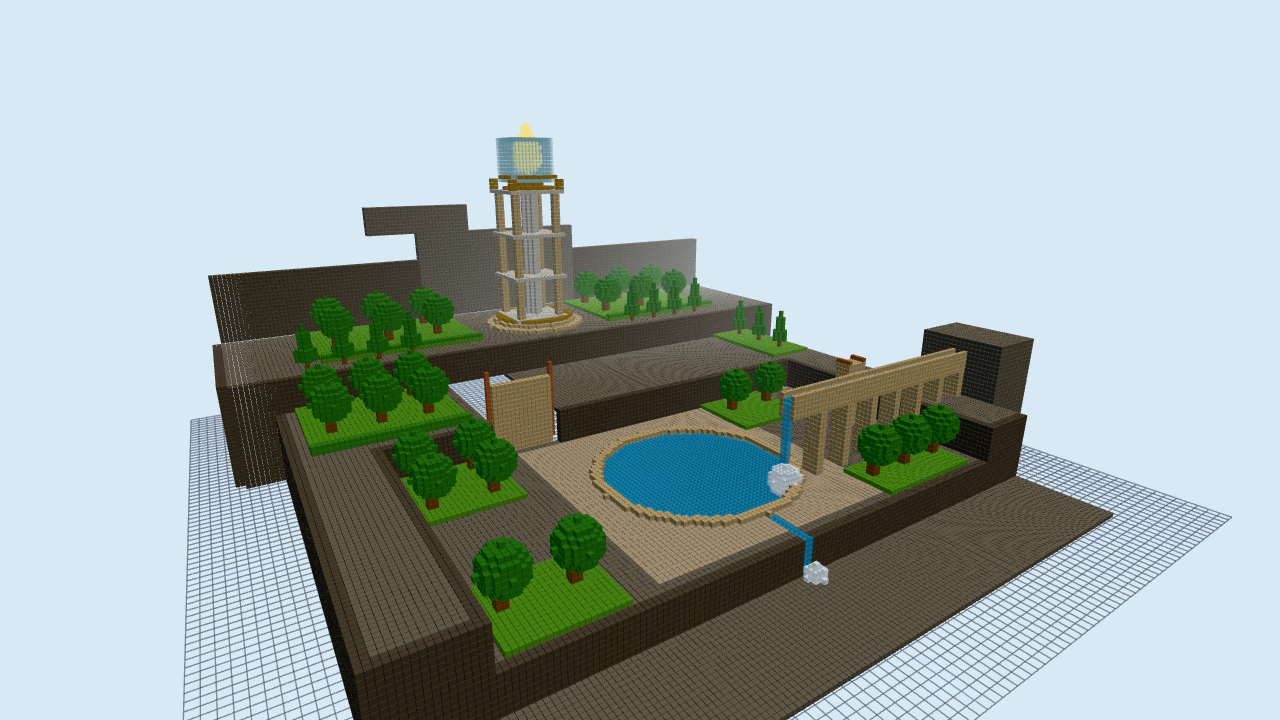
The page is the argument: working evidence first, human judgment kept explicit, and a publication record readers can inspect for themselves.
Proofrun preserves the actual output, its fixed evidence, and—when a safe public renderer exists—the artifact itself.
Requirements and scores lock before identities are revealed. The editor’s view remains human, named, and narrow.
Time, cost, attempts, protocol, limitations, and a sanitized record remain attached to every published conclusion.
One prompt, one runtime, one scoring contract.
Model identities stay hidden during judgment.
A repeatable probe exercises every artifact.
Requirements, scores, and the assessment become immutable.
Only then do model names enter the record.
A sanitized, hashed evidence packet crosses the boundary.